
Winter plumbing preparation is easiest when there is still time to find a valve, arrange a repair, or replace damaged insulation. Waiting until a freeze warning arrives leaves less room to solve a problem you did not know existed.
Use this winter plumbing checklist to organize a pre-season walk-through of your Maryland home. Start with visible, accessible areas. Leave specialized draining, electrical work, and plumbing repairs to qualified professionals. The goal is to identify what needs attention and make a workable plan before cold weather puts that plan to the test.
1. Make a simple plumbing map
Write down where water enters the home, where the household shutoff is located, and which spaces contain exposed supply lines. Include seldom-used bathrooms, utility rooms, garages, and any sink on an exterior wall.
Keep the map practical. A phone photo of a clearly labeled valve can be more useful during a leak than a complicated diagram. Ask a licensed plumber to identify uncertain valves and explain which systems each one controls. Avoid experimenting with unfamiliar valves or forcing a stiff handle.
Add the plumber, water utility, and restoration contact numbers to the same record. Share the information with another adult in the household.
2. Prepare outdoor faucets and hoses
Disconnect garden hoses before freezing weather. Water trapped around an outdoor faucet can create problems even when the fixture is described as frost-free. Drain and store hoses where they will not obstruct access to utilities.
For conventional outdoor hose connections with an indoor shutoff, have the supply isolated and the exterior line drained as appropriate for the installation. WSSC Water’s winterization guidance emphasizes hose removal and proper preparation of outdoor faucets.
Do not assume all fixtures winterize the same way. If you cannot identify the shutoff, the faucet leaks, or you are unsure how a frost-free assembly is installed, ask a licensed plumber. Irrigation systems and other outdoor equipment need their own manufacturer-approved preparation.
3. Check exposed piping and nearby openings
Look for cracked, missing, or displaced insulation on accessible pipes. Note drafts around windows, doors, and utility penetrations near the plumbing. Schedule repairs while the locations are easy to reach and the weather is manageable.
Keep photographs of anything you want a contractor to review. A note such as “cold draft beside laundry supply line” is more useful than a general request to winterize the house.
Avoid sealing required vents or adding heat cable without checking compatibility and installation requirements. Electrical freeze-protection products are not interchangeable, and a damaged or incorrectly installed product can create another hazard.
4. Confirm that heat will reach the plumbing
Arrange heating-system maintenance as recommended by the equipment manufacturer. Check that furniture and stored belongings are not blocking supply registers serving rooms with water lines.
Include rooms you rarely use. Turning down heat in an empty bedroom may also affect a bathroom or pipe route nearby. A comfortable living room does not establish the temperature inside a garage wall or remote utility closet.
If you have had a pipe freeze before, tell the plumber exactly where and under what conditions it happened. That history can help focus preventive work before the same problem returns.
5. Look for leaks before they become winter problems
Inspect visible fittings, appliance connections, and the space beneath sinks for dampness. Look for stains on cabinet bases or ceilings below bathrooms. Record the location and arrange a repair instead of covering the evidence with storage or fresh paint.
A small container under a drip is a temporary observation tool, not a seasonal solution. Confirm that both the source and any wet building materials are addressed. If water has already affected the structure, review Homeworks’ water damage restoration services.
6. Decide how the home will be protected while you are away
An occupied-home cold-weather plan and a long-vacancy winterization plan are different. Tell a plumber how long the property will be empty and which systems must remain active.
Whole-house draining can involve appliances, water heaters, traps, and heating equipment. Closing one valve does not remove all the water that could freeze. Some homes also have fire-sprinkler or water-dependent heating systems that must not be disabled by an improvised shutoff plan.
Arrange a trusted person’s access, a way to report loss of heat, and a response plan for leak or temperature alerts. Confirm relevant vacancy or winter-maintenance requirements directly with your insurer rather than assuming a thermostat setting meets every policy condition.
7. Finish with a short readiness check
Before the first hard freeze, confirm that hoses are disconnected, planned repairs are complete, household members can identify the shutoff, and emergency contact details are current. Put unresolved items on a short list with an owner and next step.
Homeworks Restoration Services serves the greater DC, Maryland, and Virginia area from Gaithersburg. For damage that needs drying or restoration, contact Homeworks at 240-817-3559. Arrange plumbing winterization and pipe repairs with a licensed plumber.
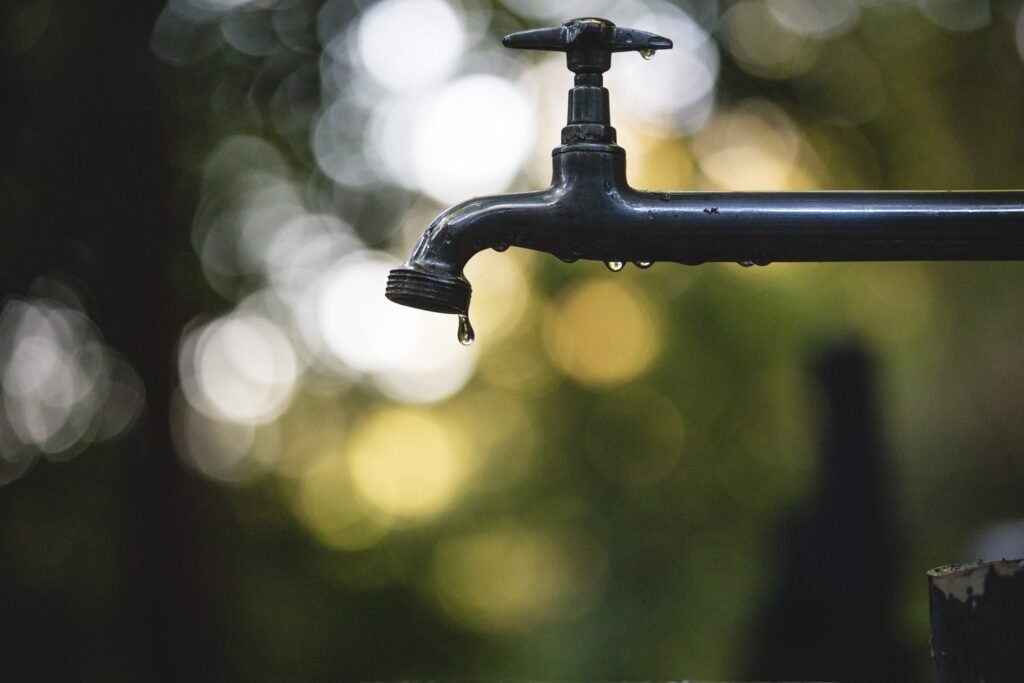
Featured photo: Photo by Luis Tosta via Unsplash / Wikimedia Commons, CC0. CC0 1.0 Universal. Illustrative photo.
.jpg)