
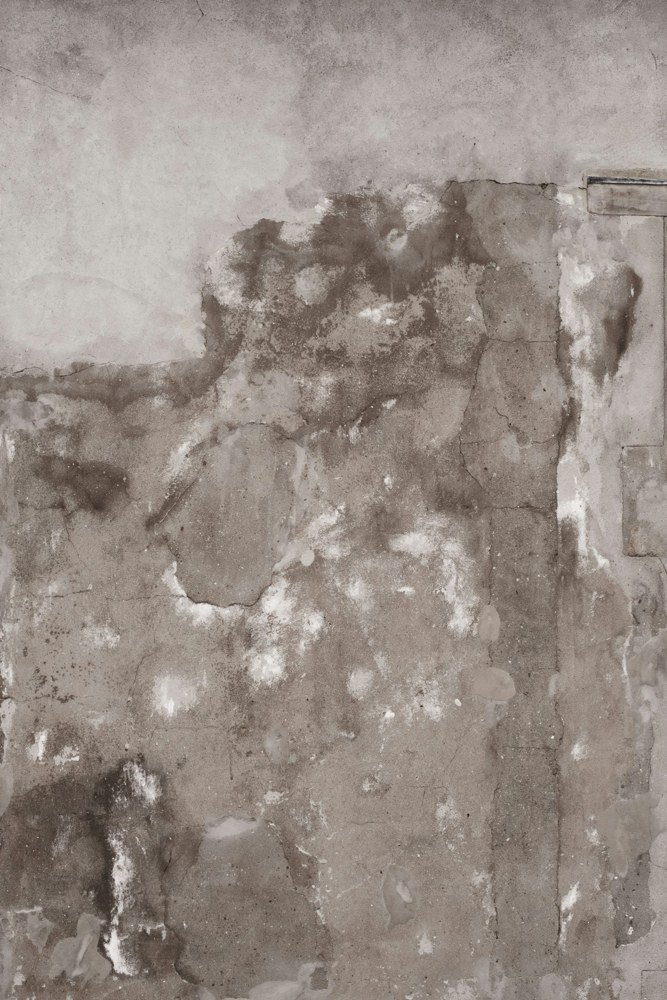
A plumbing leak does not always announce itself with water pouring across the floor. After freezing weather, the first clue may be a damp cabinet corner, a new ceiling stain, or a room that smells different from the rest of the house.
For homeowners in Gaithersburg and the surrounding Maryland area, noticing those changes early can make the next step clearer. The aim is not to diagnose concealed plumbing yourself. It is to recognize a possible problem, document what changed, and get the right help before covering up the evidence.
New stains, bubbling paint, or changing drywall
Look at ceilings below bathrooms, walls near plumbing fixtures, and baseboards in rooms adjoining utility spaces. A new brownish mark, paint blister, or softened wall surface can indicate moisture that needs investigation.
Location alone does not prove the source. Water may travel before it becomes visible, and similar marks can result from a roof leak or condensation. Tell the professional when the mark first appeared, whether it is growing, and what was happening in the home around that time.
Do not puncture a swollen ceiling or press on weakened drywall. Keep people away from sagging areas and obtain professional help. A photograph from a safe position is more useful than an invasive inspection that creates a hazard.
Damp cabinets and changes around flooring
Check beneath sinks and around accessible appliance connections. Move ordinary stored items only when the area is safe so you can see the cabinet base and wall behind it. Look for moisture, staining, or a previously flat surface beginning to swell.
At floor level, pay attention to new gaps, raised edges, discoloration, or a soft-feeling area. These changes are reasons to investigate, not proof that a particular pipe has burst. Avoid repeatedly walking on flooring that appears unstable.
A dry surface is not a complete assessment of the layers beneath it. Tell a restoration professional which materials got wet and whether water reached an adjoining room, lower level, or built-in cabinet.
An unexplained musty smell
A persistent musty odor can point to a moisture problem even when no mold is visible. The EPA’s guide to mold, moisture, and the home notes that hidden mold may be suspected where there is a moldy smell or a history of water damage.
Do not use fragrance, paint, or caulk to disguise the condition. Check accessible areas for moisture and arrange an evaluation when the source is unclear. Avoid opening wall cavities or disturbing suspected mold yourself, since that can spread material into occupied rooms.
An odor cannot identify the type of mold, establish a health diagnosis, or reveal the full extent of damage. Describe the observation plainly when requesting help.
Water use that does not fit your routine
Review your water-use history if your utility makes it available. A change can reflect guests, new appliances, irrigation, billing estimates, or a leak. Compare actual usage and the billing period rather than looking only at the dollar amount.
For a safe, accessible meter, the EPA recommends comparing readings across a two-hour period with no water use. Movement can indicate leakage. Account for automatic water users, such as an ice maker or water treatment equipment, before drawing conclusions.
Do not open a restricted utility enclosure or enter an unsafe location to read a meter. Ask the utility about available usage data or a licensed plumber about testing. Never wait for a meter test when there is already an active leak or immediate hazard.
A change in water flow
A sudden drop in flow during cold weather is worth checking. Determine whether one faucet or several fixtures are affected, and see whether the water utility has reported a service interruption.
Low flow alone cannot confirm a frozen or broken pipe. Share the pattern with a plumber instead of repeatedly forcing valves or attempting to reach concealed piping. If water begins leaking, use an identified, safely accessible household shutoff and keep clear of electrical hazards.
What to do with a suspicious finding
Make a brief record: the room, the first time you noticed the change, recent weather, and any plumbing use that seems related. Take an overview photo and a closer image without disturbing damaged materials.
Contact a licensed plumber to locate and repair a plumbing leak. If walls, ceilings, cabinets, or floors are wet, a restoration assessment may also be needed. The EPA recommends prompt drying of water-damaged materials; waiting for visible mold can delay useful action.
Homeworks Restoration Services provides water damage restoration for affected properties in the greater DC/MD/VA area. Contact Homeworks at 240-817-3559 and describe what you can see, when it started, and whether the water source has been stopped.
Can a leak exist without a large puddle?
Yes. Water can affect concealed or absorbent materials before it collects in a visible pool. Persistent changes deserve investigation even when the floor looks dry.
Featured photo: Photo by Ingmar on Unsplash. Unsplash License. Illustrative photo.