
After a burst pipe is repaired, a home can still need significant attention. Water may have reached drywall, insulation, flooring, or spaces beneath built-in cabinets. Removing the visible puddle does not establish that those materials are ready to close up or refinish.
Professional water damage restoration focuses on understanding where the water went and planning the work needed to return affected areas to usable condition. For homeowners in Gaithersburg, Rockville, Bethesda, and surrounding communities, knowing the stages makes estimates easier to discuss and progress easier to follow.
Start with source control and a safe work area
The first question is whether water is still entering the home. A licensed plumber may need to repair the pipe and confirm when the supply can be restored. Electrical or structural hazards may require other qualified professionals before restoration work proceeds.
Tell the restoration contractor when the leak was discovered, how long water may have been running, and which rooms or levels were affected. Be clear about anything uncertain. “We found it this morning” is different from knowing that the leak began this morning.
Keep people away from unstable materials and potentially contaminated water. The appropriate cleanup approach depends partly on the water source and the conditions it encountered.
Assessment looks beyond the most visible damage
A useful assessment considers the path of the water, the materials involved, and possible concealed moisture. Ask how the contractor will evaluate areas beneath flooring, behind trim, or around cabinets when the visible damage suggests water may have reached them.
Moisture readings can help guide decisions, but a single reading needs context. Ask what is being measured, where comparisons are being taken, and how results will be documented. A clear explanation should connect the findings to the proposed work rather than relying only on equipment names.
Before any opening or removal, discuss the scope, why access is necessary, and whether additional precautions are needed for older building materials.
Water removal and drying are related but different
Water extraction addresses liquid water that can be removed from the affected area. Drying addresses moisture remaining in materials and the surrounding environment. Depending on the assessment, the plan may involve extraction equipment, air movement, dehumidification, and access to concealed spaces.
Homeworks describes extraction, structural drying, and moisture monitoring among its water damage restoration services. Ask which steps are proposed for your property and how their progress will be checked.
Do not unplug or relocate drying equipment without discussing it with the contractor. Tell them about noise, room access, pets, electrical limitations, or other practical issues so the plan can account for how the household is using the space.
Some materials can be dried; others may need removal
There is no universal answer for every wet wall or floor. The material, condition, water source, duration of exposure, and ability to dry concealed layers all matter.
The EPA’s water-damage cleanup guidance distinguishes between materials and emphasizes checking underlying flooring. It also identifies circumstances in which wallboard may be dried in place and others requiring replacement. These are assessment decisions, not a reason to start demolition without a plan.
Ask the contractor to separate necessary removal from optional upgrades. If new damage is discovered after access is opened, request an explanation and an updated scope before additional work proceeds.
Prompt action helps, but a deadline is not a guarantee
The EPA recommends drying water-damaged areas and items within 24–48 hours to help prevent mold growth. That is a reason to act promptly, not a promise that every material will dry within two days or that mold follows an exact countdown.
If visible mold, a persistent musty odor, or suspected contamination is present, tell the contractor before fans or other equipment are used. Cleanup may require a different approach. Do not paint over affected surfaces or enclose materials simply because they look dry.
Review documentation and the repair handoff
Request a written scope covering the affected rooms, planned drying work, material removal, and what is excluded. Ask what information will be provided at completion, such as photographs, recorded observations, and drying results.
Clarify when reconstruction can begin and who will handle it. Homeworks also offers reconstruction services, which can be discussed separately from the immediate drying work. Keep restoration and repair decisions connected so finishes are not installed before the underlying condition is addressed.
Ask your insurer about coverage and required documentation directly. A contractor’s estimate describes proposed work; it does not guarantee claim approval or payment. Homeworks’ guide to navigating an insurance claim after water damage explains the documentation process in more detail.
Questions worth asking before work begins
Ask how the extent of damage will be evaluated, how drying progress will be checked, which materials may require removal, and who will authorize scope changes. Confirm the expected communication schedule and the information needed before repairs can start.
For a burst-pipe loss in the greater DC/MD/VA area, contact Homeworks Restoration Services at 240-817-3559. Describe the source, the affected spaces, and whether the plumbing leak has been stopped so the next conversation can focus on your property’s needs.
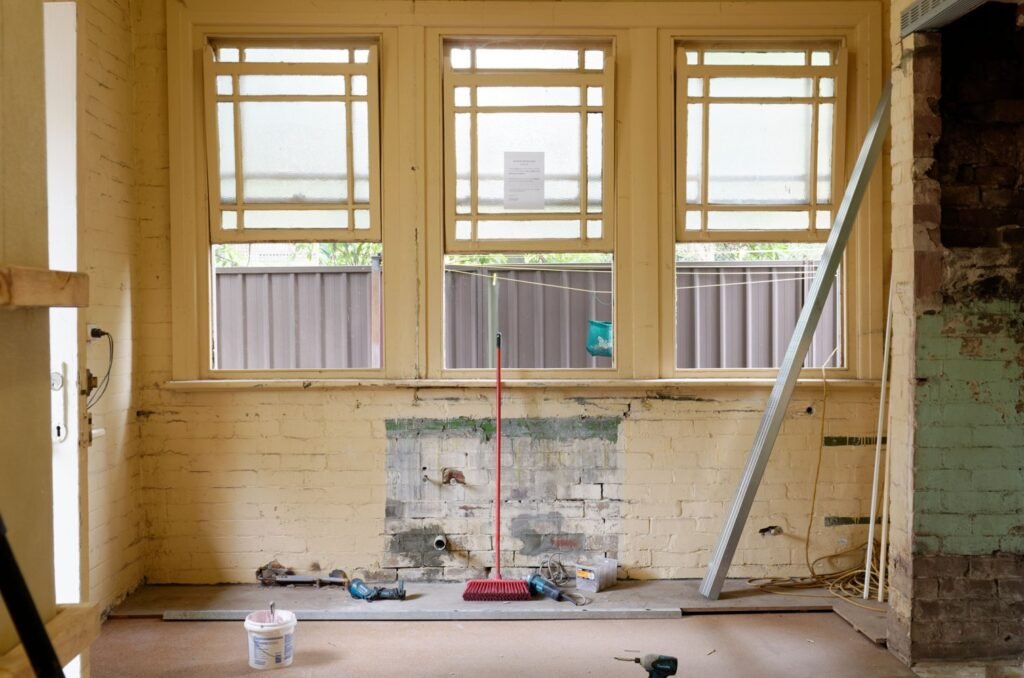
Featured photo: Photo by Laurie Shaw on Pexels. Pexels License. Illustrative photo, not a Homeworks project.